Commercial Underground Utility Excavation in Spokane
Commercial construction in Spokane often depends on what happens below the surface. Before plumbing systems are installed or concrete is poured, underground utility corridors must be excavated, graded, stabilized, and prepared correctly.
Commercial underground utility excavation is the phase that makes water, sewer, fire, and storm systems possible. When trenches are dug accurately and compacted properly, utility systems can be installed to precise grade and pass inspection without unnecessary delays. When excavation is rushed or poorly coordinated, even well-installed pipe can struggle to perform long term.
For developers and general contractors across Spokane, Spokane Valley, Liberty Lake, and surrounding communities, underground excavation sets the foundation for everything that follows.
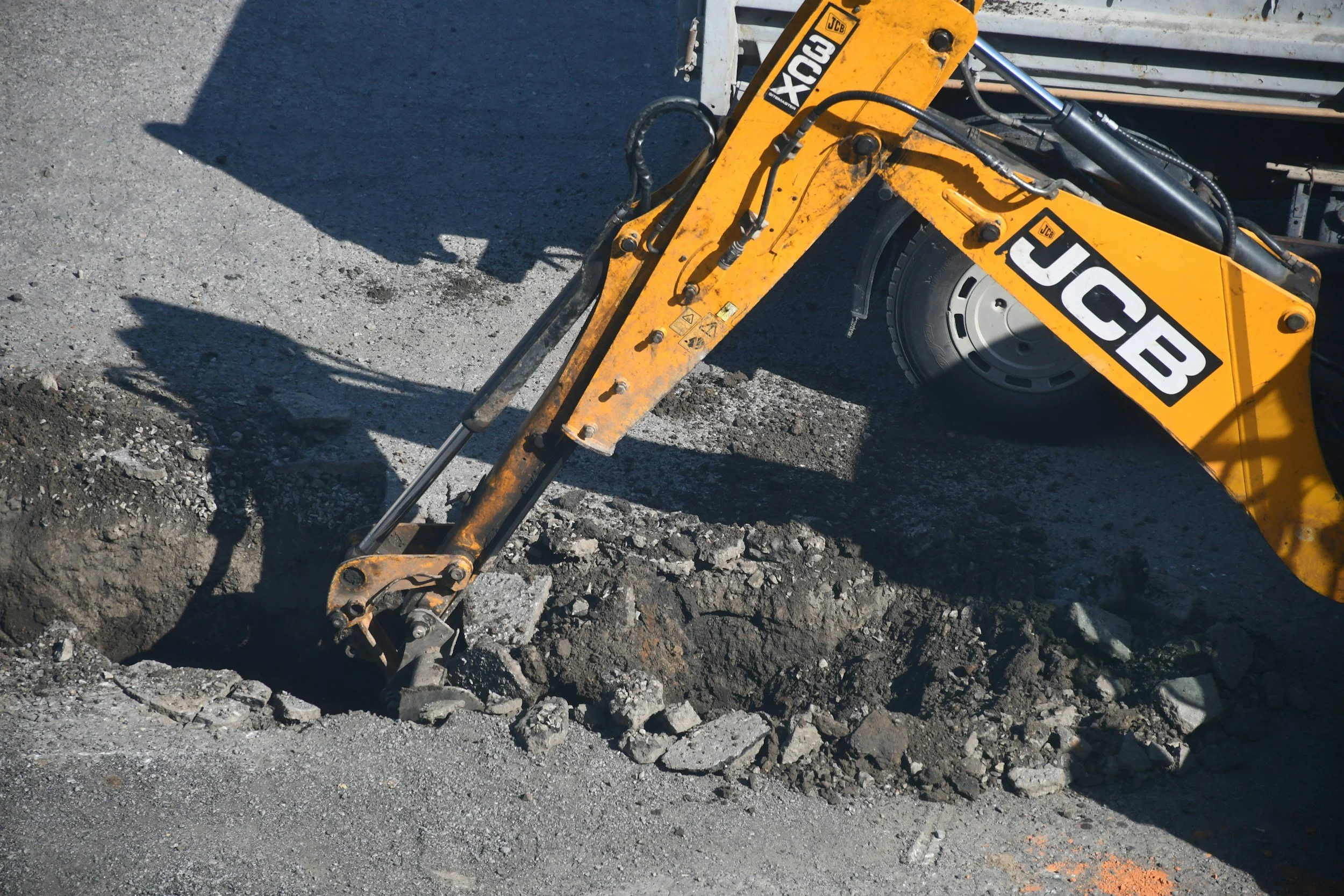
What Commercial Underground Utility Excavation Includes
On a commercial project, the excavation scope typically involves:
Layout and trenching for water, sewer, and storm systems
Establishing precise trench depths and grades
Preparing stable subgrades for pipe installation
Installing bedding materials to specification
Backfilling and compacting in controlled lifts
Preparing subgrades for vaults, manholes, and utility structures
While plumbers install the pipe, excavation crews create the environment that allows those systems to perform as designed.
Because these utilities are buried beneath slabs, asphalt, and hardscape, accuracy during excavation is critical. Once covered, access becomes significantly more complicated and disruptive.
Why Excavation Quality Matters in Spokane
Frost Depth and Climate Conditions
Spokane’s freeze–thaw cycles place stress on underground systems. Excavation teams must ensure trenches meet required depth and that backfill is compacted properly to reduce movement.
If trench depth or compaction is inconsistent, long-term risks can include:
Frozen supply lines
Settlement beneath pavement
Stress on pipe joints
Surface cracking
Proper excavation practices help protect utility systems from seasonal soil movement and shifting.
Soil Conditions Across Spokane County
Commercial sites in North Spokane, Spokane Valley, Liberty Lake, and throughout Spokane County often present variable soil conditions, including:
Expansive clay
Basalt rock
Mixed fill
Sandy deposits
Each condition affects trench stability and compaction strategy.
Basalt may require modified excavation techniques. Clay demands careful moisture control during compaction. Sandy soils require consistent density to prevent shifting over time.
On larger multifamily and commercial developments, unexpected rock or elevation changes are not uncommon. Experienced excavation teams adjust trench methods while maintaining grade accuracy so the project stays on schedule.
Coordination With Other Trades and Inspections
Underground utility excavation must align with:
Civil engineering plans
Plumbing layouts
Electrical and gas utilities
Foundation and grading schedules
In Spokane, underground utilities must also be inspected at specific stages before backfill and slab placement.
Confirming elevations before trench closure and coordinating inspection timing reduces the risk of rework and schedule disruption.
Maintaining clean, stable trenches also allows utility installers to work efficiently and safely.
Core Phases of Underground Utility Excavation
Pre-Construction Planning
Before equipment mobilizes, excavation teams typically:
Review civil and utility drawings
Verify existing utility locations
Confirm trench routes and access
Identify potential conflicts with building pads and retaining walls
Early review improves constructability and minimizes unexpected field adjustments.
Trenching and Grade Control
Precise trench depth and slope are essential for gravity sewer systems and frost protection requirements.
Excavation teams must:
Maintain consistent trench width
Control elevation with accurate grade checks
Protect existing utilities during digging
Manage spoils and site access efficiently
Small grade inconsistencies during excavation can affect pipe installation later, so careful measurement and verification are essential.
Bedding, Backfill, and Compaction
Proper bedding supports the pipe and distributes load evenly. Controlled backfill and compaction protect both utilities and surface improvements.
Compaction is typically completed in lifts to meet project specifications and testing requirements. This reduces the likelihood of future settlement beneath pavement, sidewalks, or building slabs.
Structures and Utility Features
Excavation scope often includes preparation for:
Manholes
Catch basins
Vaults
Cleanouts
Utility sleeves
Setting subgrades to final elevation ensures these components integrate correctly with finished site grading.
Common Issues Strong Excavation Practices Help Prevent
Underground issues are often tied to early excavation decisions. Risks include:
Incorrect trench depth affecting required pipe cover
Settlement beneath hardscape or slabs
Utility conflicts due to poor coordination
Delays when trenches are not ready for inspection
Additional costs from re-excavation
Careful trenching, disciplined compaction, and clear communication significantly reduce these risks.
Underground Utility Excavation in Spokane’s Commercial Construction
In Spokane’s commercial construction environment, underground utilities are rarely visible once a project is complete. Yet their performance depends heavily on how trenches were dug, graded, and compacted.
Accurate excavation and coordinated installation below grade create stable conditions for water, sewer, and storm systems to function as designed.
For commercial projects across Spokane and the Inland Northwest, underground utility excavation remains one of the most technically important phases of site development.