Why Proper Excavation Is Key for Building a Stable Retaining Wall
When it comes to building a retaining wall, what you see above ground is only as strong as what’s below it. Without proper excavation and site preparation, walls can lean, crack, or even fail over time. In Spokane and the surrounding areas, where soil conditions and slopes vary, getting excavation right is the foundation of a long-lasting, stable retaining wall.
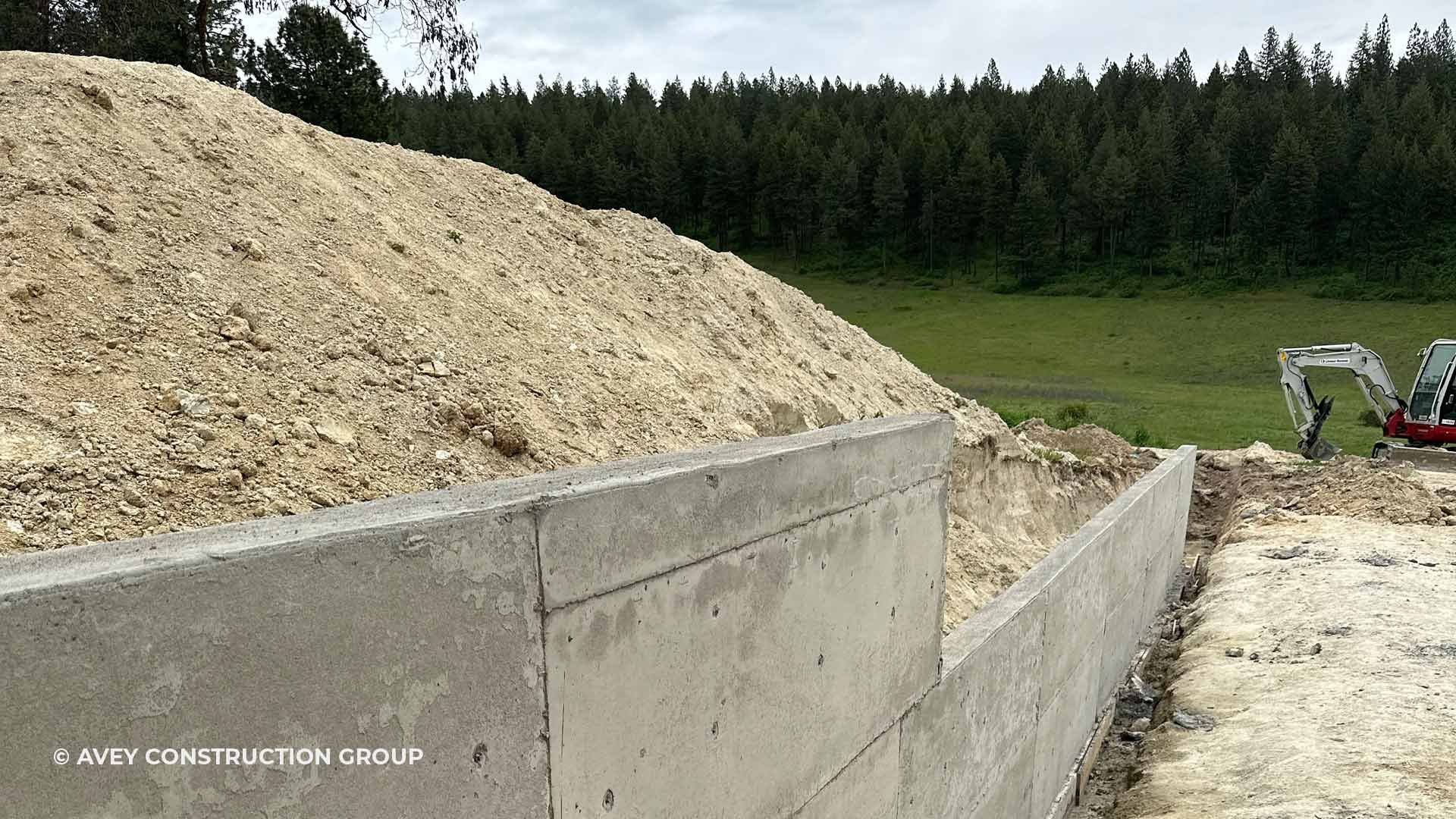
Why Excavation Matters for Retaining Walls
Retaining walls manage slopes, hold back soil, and prevent erosion. To perform well, they need a solid, stable foundation:
Solid footing: Excavation removes loose soil, organic material, and debris that can cause settling.
Correct depth: Digging to the proper depth creates space for a compacted gravel or crushed stone base.
Drainage planning: Proper excavation allows room for drainage systems behind the wall to prevent water buildup and structural damage.
Benefits of Proper Retaining Wall Excavation
Professional site preparation creates long-term advantages:
Stronger structural stability — a solid foundation prevents leaning or bulging.
Better water management — correct grading protects against water damage.
Lower maintenance costs — proper prep avoids costly repairs or rebuilding later.
Longer-lasting results — well-executed excavation helps retaining walls perform for decades.
Local Factors That Make Excavation Essential
In Spokane and North Idaho, site conditions make professional excavation especially important:
Variable soil types: From sandy pockets to heavy clay, inconsistent soils require proper evaluation and removal.
Challenging slopes: Hilly terrain demands precise grading to manage water runoff effectively.
Seasonal drainage needs: Snowmelt and heavy spring rains can add extra pressure behind walls if drainage isn’t planned correctly.
Professional Excavation Makes a Difference
Experienced excavation teams bring precision and planning to every step:
Accurate depth and grading based on site conditions and engineering specs
Removal of unsuitable material to create a clean, stable base
Integration of drainage solutions like gravel backfill and drain pipes
Efficient use of specialized equipment for consistent results, even in challenging soils
What Happens Without Proper Excavation
Skipping or rushing excavation can lead to long-term issues:
Leaning or bulging walls
Cracking along seams
Poor drainage causing water damage
Costly structural repairs or complete rebuilds
Conclusion
A retaining wall is more than a landscaping feature — it’s an investment in your property’s safety and stability. Professional excavation ensures the right depth, grading, and drainage, giving your wall the foundation it needs to last for years.