Demolition and Site Prep: Clearing the Way for New Construction
Every new build begins long before concrete is poured or framing begins. In Spokane, demolition and site preparation are the behind-the-scenes stages that shape how smoothly construction will go. These steps remove what’s outdated, stabilize the ground, and ready the land for a fresh start.
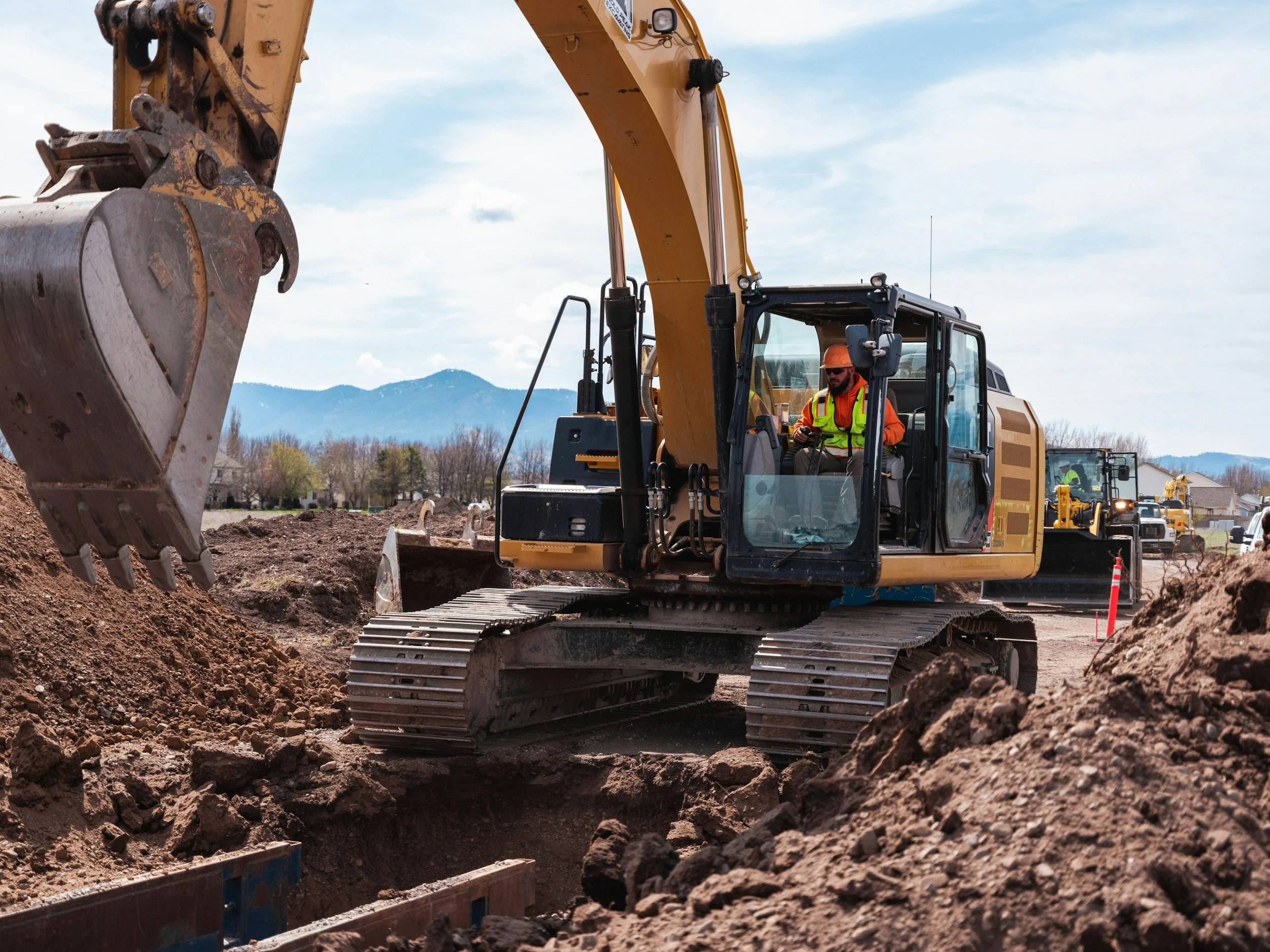
Understanding the Demolition Phase
Demolition is more than tearing down structures—it’s a controlled process that makes way for safe, compliant development. Spokane’s mix of older buildings and redevelopment zones means demolition work often involves strategic planning to protect nearby properties and infrastructure.
Typical demolition types include:
Full demolition: Complete removal of structures down to the foundation.
Selective demolition: Targeted removal of interior or exterior sections while preserving other areas.
Structural separation: Careful dismantling between connected or neighboring buildings.
Each method requires proper safety controls and coordination with local inspectors, especially when dealing with asbestos, lead paint, or aging utilities.
Permits and Local Requirements
Before any equipment hits the site, developers must secure Spokane’s required permits.
Essential steps include:
Submitting demolition and grading permit applications.
Verifying utility shutoffs (water, sewer, gas, power).
Scheduling required city or county inspections.
Adhering to Spokane’s permitting process prevents costly project delays and ensures compliance from day one.
Clearing and Grading the Site
After structures come down, crews prepare the land for future construction. This stage focuses on shaping, stabilizing, and protecting the site.
Key activities include:
Vegetation and debris removal to expose a clean work surface.
Rough grading to achieve correct slopes and drainage.
Soil testing and compaction for long-term foundation stability.
Erosion control to meet Washington’s stormwater management standards.
A properly graded and compacted site ensures that future foundations remain level and secure.
Managing Waste and Recycling
Spokane promotes recycling during demolition and site prep whenever possible. Materials such as concrete, metal, and asphalt can be processed locally and reused, reducing landfill waste and disposal costs. Responsible material management also aligns with Washington’s sustainability goals.
Timeline Considerations in Spokane’s Climate
Weather in the Inland Northwest affects how and when site work can happen.
Spring and summer: Best for demolition and grading; soils are dry and stable.
Fall: Effective for final prep before winter but requires monitoring for early frost.
Winter: Frozen or saturated ground can slow excavation and compaction.
Scheduling work around Spokane’s seasonal changes helps maintain efficiency and protect site integrity.
Building Starts with Preparation
Strong construction projects start with a clear, stable site. Understanding Spokane’s demolition, permitting, and environmental requirements helps developers and property owners avoid setbacks and create a foundation ready for success. The smoother the preparation, the faster the build.