Drainage Problems Around Homes in Spokane — When Excavation Is the Solution
Many drainage problems around homes begin subtly. A small puddle appears in the yard after rain. The lawn stays damp longer than expected. Over time, water begins collecting near the foundation or along walkways.
While these signs may seem minor at first, persistent drainage problems often indicate deeper issues with grading, soil conditions, or underground water flow. Left unresolved, excess moisture can lead to foundation stress, soil erosion, and landscape damage.
In many cases, drainage excavation in Spokane provides the most effective and long-lasting solution. By reshaping the ground and installing proper drainage systems, excavation contractors help direct water safely away from structures and stabilize the surrounding soil.
Understanding how drainage problems develop — and when excavation is required — can help homeowners protect their property from long-term damage.
Why Drainage Problems Are Common in Spokane
Drainage issues are common throughout Spokane because of the region’s soil types, terrain, and seasonal weather patterns.
Spokane experiences:
Winter snow accumulation
Spring snowmelt
Periods of heavy rainfall
Freeze-thaw soil movement
When water from these sources cannot move away from a home efficiently, it begins to accumulate in low areas of the yard.
Properties located in neighborhoods such as South Hill, Spokane Valley, Five Mile Prairie, and Mead may experience drainage issues because of natural slopes or clay-heavy soil that holds moisture.
Without proper grading or drainage systems, water tends to follow the path of least resistance — which may lead directly toward the house.
Common Drainage Problems Around Residential Properties
Many homeowners notice the symptoms of drainage problems long before they understand the cause.
Typical warning signs include:
Standing water in the yard after rain
Wet areas that remain muddy for days
Water pooling near the home’s foundation
Soil erosion around landscaping
Sinking areas in lawns or garden beds
Basement or crawlspace moisture
These symptoms indicate that water is not draining away from the property properly.
In many cases, the issue is related to improper grading or compacted soil that prevents water absorption.
Why Poor Yard Drainage Can Damage Your Home
Water that collects around a home does more than create muddy areas in the yard. Over time, it can cause significant structural and landscape problems.
Common risks associated with poor drainage include:
Foundation Moisture
When water accumulates near a home’s foundation, it increases hydrostatic pressure on foundation walls. Over time, this pressure can lead to cracks or moisture intrusion.
Soil Erosion
Moving water can gradually wash away soil, exposing roots and destabilizing landscaping features.
Yard Settlement
Water-saturated soil loses strength. As the soil dries again, uneven settling may occur, creating low areas in the yard.
Structural Damage
Long-term moisture exposure can affect patios, walkways, and driveways built on unstable ground.
Addressing drainage problems early often prevents more costly structural repairs later.
When Excavation Is the Best Drainage Solution
Some drainage issues can be addressed with surface adjustments, such as adding soil or installing downspout extensions.
However, when water problems are persistent or widespread, drainage excavation becomes necessary.
Excavation solutions may include:
Regrading the yard to create proper slope
Installing French drains
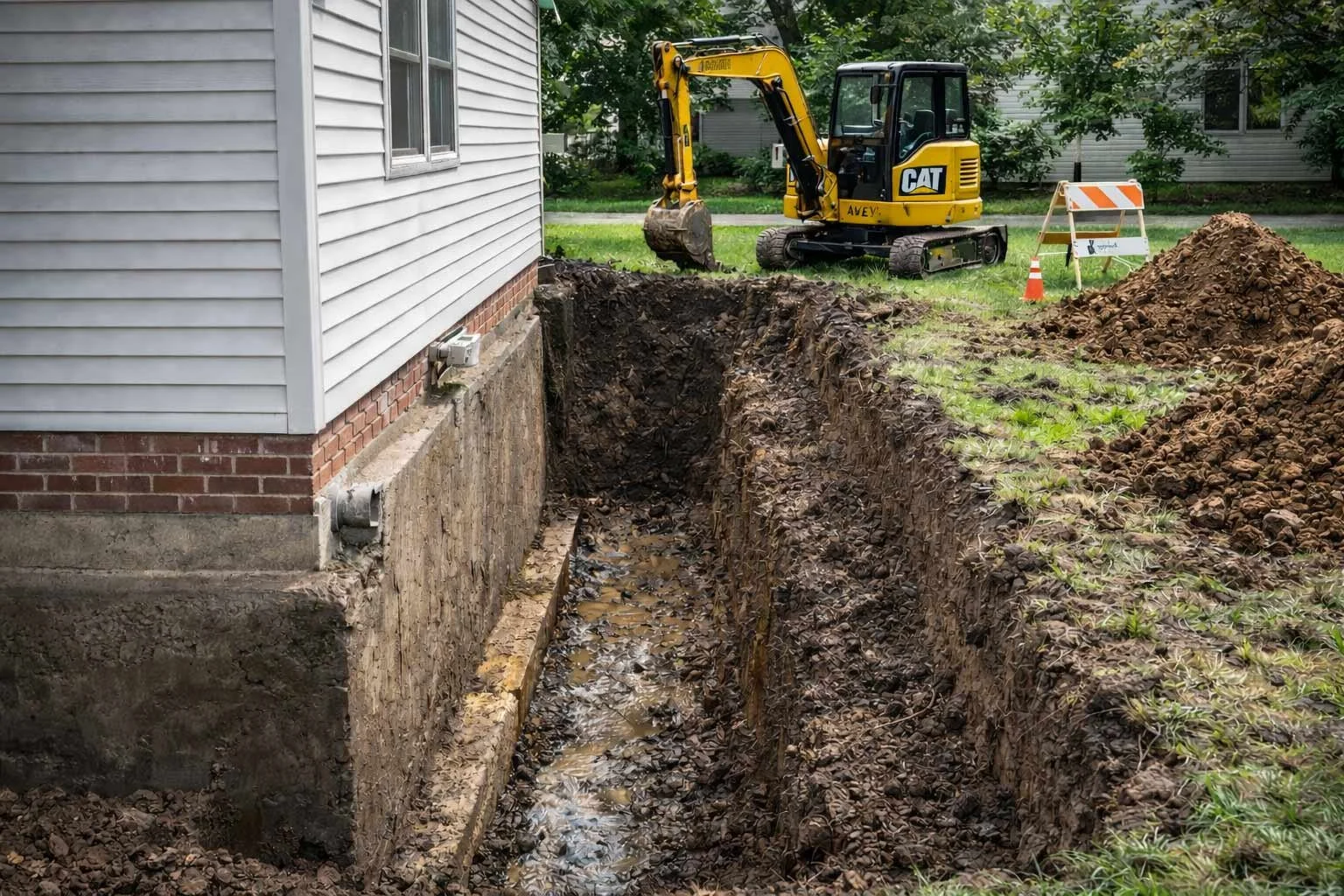
Excavating drainage trenches
Creating surface swales that guide water away
Installing underground drainage piping
These systems allow water to move away from the property efficiently rather than collecting near structures.
A professional yard drainage contractor in Spokane evaluates how water flows across the property before determining the most effective excavation solution.
How Yard Drainage Contractors Evaluate a Property
Before beginning excavation work, contractors assess several key factors.
These include:
Existing yard slope
Soil composition
Foundation elevation
Drainage pathways
Areas where water collects
This evaluation helps determine whether water is entering the property from uphill areas, pooling because of flat grading, or trapped by compacted soil.
Once the drainage pattern is understood, excavation equipment can be used to reshape the landscape and install appropriate drainage systems.
Spokane Soil Conditions and Drainage Challenges
Spokane’s soils range from sandy and gravel-based to dense clay. Each type behaves differently when exposed to water.
For example:
Clay soils retain water longer and drain slowly.
Sandy soils allow water to move quickly but may shift or erode.
Gravel soils drain well but can become unstable if improperly compacted.
Drainage excavation must account for these differences to ensure long-term effectiveness.
In neighborhoods such as North Spokane and Liberty Lake, varying soil conditions often require customized drainage solutions.
Drainage Excavation Methods Commonly Used in Spokane
Several excavation techniques are commonly used to solve residential drainage problems.
Yard Regrading
Regrading reshapes the soil surface so that water flows away from the home. This is often the first step in correcting drainage problems.
French Drain Installation
French drains use gravel-filled trenches and perforated pipes to collect and redirect groundwater away from structures.
Surface Swales
Swales are shallow channels designed to guide water across the yard toward a safe drainage area.
Drainage Trenches
In some cases, deeper trenches are installed to intercept water before it reaches the foundation.
Each of these methods works by controlling water flow and preventing it from collecting in unwanted areas.
Common Mistakes Homeowners Make When Addressing Drainage
Homeowners sometimes attempt to solve drainage issues without addressing the underlying cause.
Common mistakes include:
Adding Soil Without Correcting Slope
Adding topsoil to low areas may temporarily reduce puddles, but if the slope remains incorrect, the water will return.
Relying on Landscaping Alone
Plants and mulch cannot solve structural drainage problems caused by grading or soil conditions.
Ignoring the Source of Water
Water may originate from uphill properties, roof drainage, or irrigation systems. Without identifying the source, solutions may fail.
Professional drainage evaluation helps prevent these issues.
When to Call a Drainage Excavation Contractor
Homeowners should consider professional assistance if they notice:
Persistent standing water
Soil erosion around the property
Wet areas near the foundation
Repeated drainage problems after heavy rain
Landscaping damage caused by water flow
A qualified drainage excavation contractor in Spokane can evaluate the property and recommend solutions tailored to the site conditions.
Protecting Your Home with Proper Drainage
Drainage problems rarely resolve on their own. In fact, they often become more severe over time as soil shifts and water continues to collect around structures.
Professional drainage excavation in Spokane addresses the root causes of these issues by reshaping the landscape and installing systems designed to move water safely away from the property.
For homeowners in areas such as Spokane Valley, Liberty Lake, Mead, South Hill, and Five Mile Prairie, proper drainage solutions help protect foundations, stabilize soil, and maintain the long-term health of the property.
When drainage is managed correctly, the entire property benefits — from the foundation below the home to the landscaping that surrounds it.