Full vs. Selective Demolition: What’s Right for Your Spokane Property?
Before any major renovation or redevelopment, property owners must decide between full demolition and selective demolition. The right approach depends on the project’s scope, safety requirements, and long-term plans for the site.
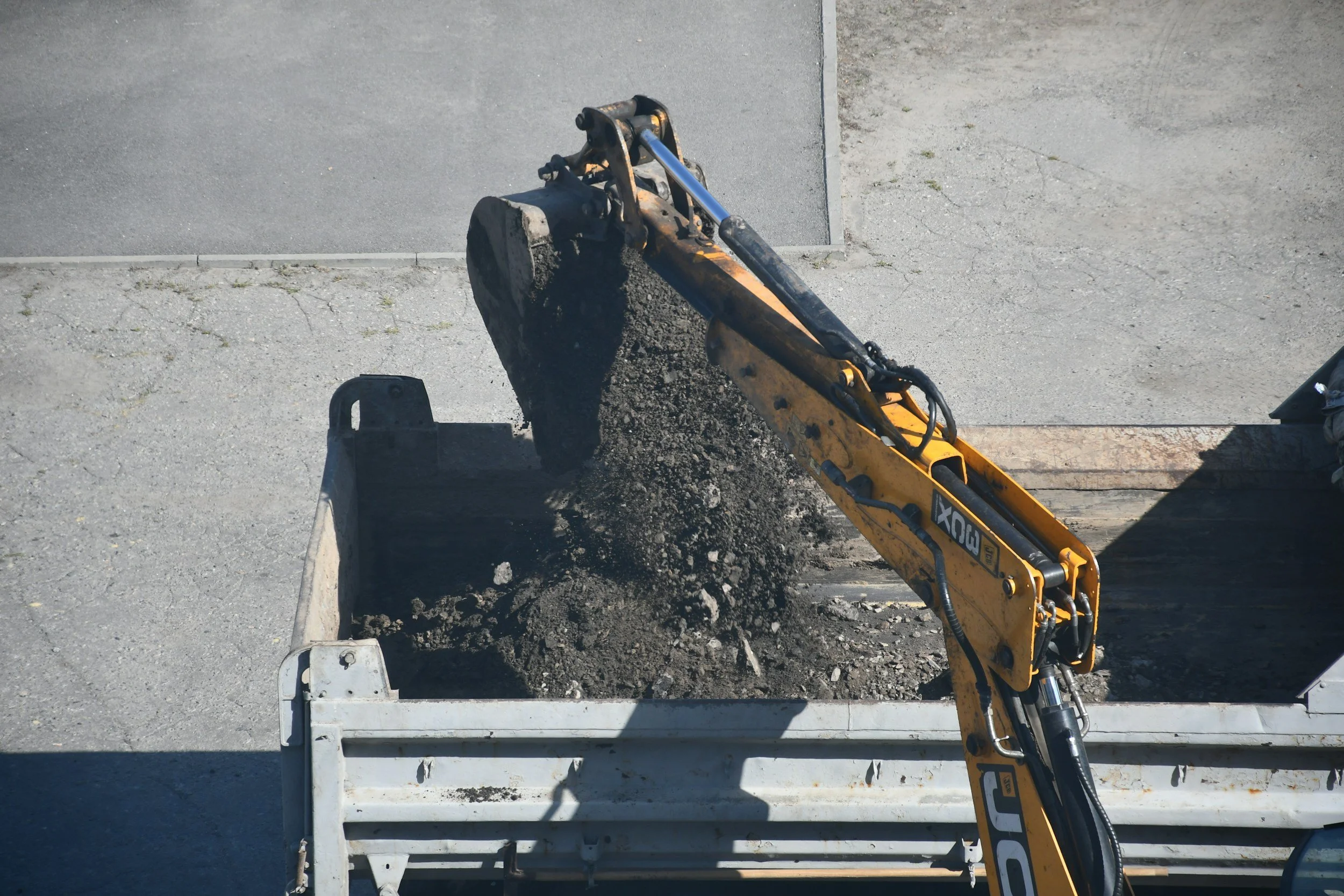
What Is Full Demolition?
Full demolition is the complete removal of a structure down to its foundation, leaving the site ready for new construction or redevelopment. It’s typically chosen when a property is being rebuilt from the ground up.
Common Reasons for Full Demolition
The building is unsafe or structurally compromised
The property needs complete redevelopment
Zoning or site plans require a clean slate
Extensive contamination or damage makes renovation impractical
This method provides a clean starting point but requires proper permitting, utility disconnections, and environmental clearance before work begins.
What Is Selective Demolition?
Selective demolition (also called partial or interior demolition) removes only targeted sections of a structure—such as interior walls, roofs, or utilities—while preserving the rest. It’s often used in remodels, tenant improvements, or expansions.
Common Reasons for Selective Demolition
Retaining structural elements like foundations or load-bearing walls
Upgrading outdated plumbing, electrical, or HVAC systems
Reconfiguring layouts or expanding existing spaces
Preserving architectural, historical, or design features
Minimizing waste and costs by keeping usable materials intact
This approach is efficient for projects where only parts of the structure require replacement or modernization while maintaining overall integrity.
Key Factors in Choosing the Right Type
Before deciding, evaluate your site and project requirements carefully.
Consider:
Structural condition: Is the existing framework safe and up to code?
Budget and timeline: Full demolition is faster but may cost more upfront; selective demolition is slower but conserves resources.
Permitting: Spokane requires specific demolition permits depending on project type and size.
Environmental impact: Selective demolition supports recycling and reuse, reducing landfill waste.
Future site use: Ground-up construction usually calls for full demolition.
Permitting and Local Requirements in Spokane
Both demolition types must follow city and state regulations. Spokane mandates:
Demolition permits through the Spokane Development Services Center
Asbestos testing and abatement where applicable
Utility disconnections prior to demolition
Erosion and sediment control for active sites
Filing complete plans and adhering to inspection protocols prevents delays and ensures a safe, compliant process.
Making an Informed Demolition Choice
Choosing between full and selective demolition depends on your property’s structure, goals, and budget. Full demolition provides a fresh start for new construction, while selective demolition offers flexibility for renovation and preservation. Evaluating your site and consulting with experienced contractors helps ensure your Spokane project begins safely and efficiently.