Rock Excavation in Spokane: Dealing with Basalt and Hard Soil
Excavation projects in Spokane often involve more than simply moving soil. Many residential properties sit on or near basalt rock formations and dense subsurface soils, which can make excavation more complex than homeowners expect.
Whether the project involves building a new home, installing a driveway, or trenching for utilities, encountering rock beneath the surface can significantly influence how the work is performed.
Professional rock excavation in Spokane requires specialized equipment, experience with local soil conditions, and careful planning to ensure that construction projects remain safe and structurally sound.
Understanding how basalt and hard soils affect excavation helps homeowners plan projects more effectively and avoid surprises once digging begins.
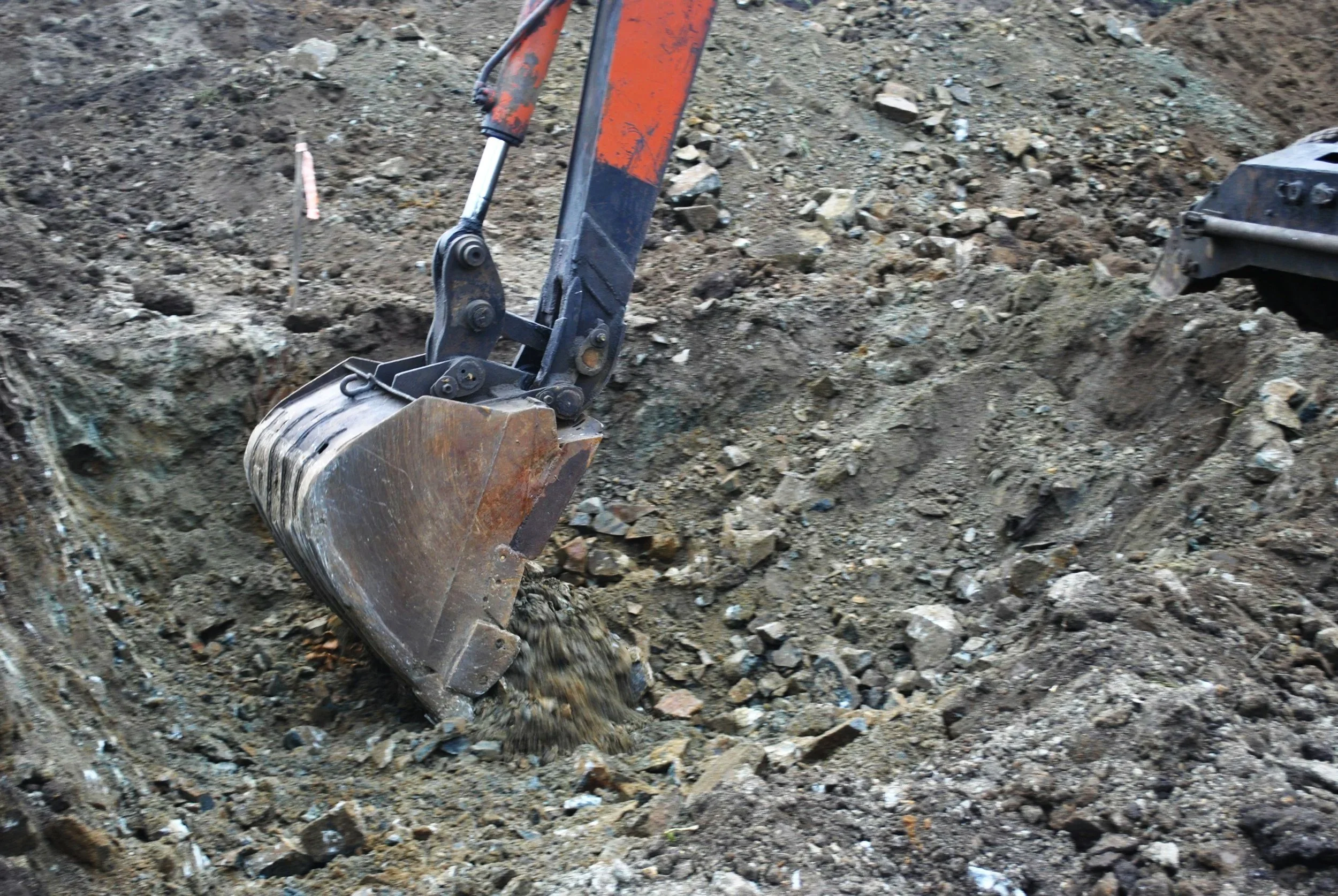
Why Basalt Rock Is Common in Spokane
The Spokane region sits within the Columbia River Basalt Group, a large geological formation created by volcanic activity millions of years ago. As a result, many properties across Eastern Washington contain layers of basalt beneath the surface.
These rock formations are not always visible from above. In some locations, soil covers the rock by several feet, while in others the rock lies just below the topsoil.
Basalt deposits are commonly encountered during excavation in areas such as:
Five Mile Prairie
North Spokane
Mead
Parts of Spokane Valley
When basalt layers are present, excavation work must be adjusted to safely remove or work around the rock.
How Basalt Affects Residential Excavation
Basalt is significantly harder than typical soil or gravel layers. Standard excavation equipment designed for soil may not be sufficient to remove large rock sections.
This can affect several types of residential projects, including:
Home foundation excavation
Driveway installation
Utility trenching
Drainage excavation
Landscaping and retaining wall construction
In these situations, contractors must use specialized attachments and excavation techniques to break or remove the rock.
Proper planning ensures the project can continue safely without damaging equipment or surrounding structures.
Equipment Used for Rock Excavation
Professional excavation contractors use several types of equipment designed to handle hard rock conditions.
Common tools used during rock excavation in Spokane include:
Hydraulic breakers attached to excavators
Heavy-duty excavator buckets designed for rock
Rock saws or cutting attachments in specific situations
Large excavation equipment capable of handling heavy material
Hydraulic breakers are frequently used to fracture basalt into smaller sections that can be safely removed and hauled away.
The type of equipment used depends on the size, depth, and thickness of the rock formation encountered.
Hard Soil Conditions in Spokane
Not every difficult excavation site contains solid rock. Many properties also contain dense clay or compacted gravel layers that can slow excavation progress.
Clay-heavy soils are common in several Spokane neighborhoods and present their own challenges.
These soils may:
Retain water for extended periods
Become extremely dense when dry
Expand and contract with moisture changes
Because of these characteristics, excavation contractors must often adjust equipment and grading methods when working in hard soil conditions.
When Rock Excavation Is Required
Rock excavation becomes necessary when hard rock layers interfere with construction plans.
Common situations where basalt removal is required include:
Foundation Construction
New homes require foundations built on stable ground. If basalt is present in the foundation area, it must often be broken and removed to achieve the required excavation depth.
Utility Installation
Trenching for water, sewer, or electrical lines may require cutting through rock layers to reach proper installation depth.
Driveway and Road Construction
Driveways and access roads must be installed on stable ground with proper base materials. Rock removal may be necessary to establish the correct grade.
Drainage Improvements
Installing drainage systems often requires excavation to specific depths. Basalt layers may need to be broken to install drainage pipes or trenches.
Spokane Neighborhoods Where Rock Excavation Is Common
While basalt can appear anywhere in Spokane, certain areas are more likely to encounter it during excavation.
These areas include:
Five Mile Prairie
North Spokane
Mead
Rural properties outside Spokane Valley
Homes built on elevated terrain or near natural ridges are more likely to encounter rock formations close to the surface.
Experienced excavation contractors familiar with Spokane’s geology can often anticipate these conditions during site evaluation.
How Contractors Plan for Rock Excavation
Professional excavation contractors evaluate properties carefully before beginning work.
This evaluation may include:
Visual inspection of the property
Soil and terrain assessment
Reviewing nearby excavation projects
Evaluating elevation and drainage patterns
In some cases, test digging may reveal whether basalt rock lies beneath the soil.
Planning ahead helps contractors determine the equipment required and estimate the time needed for excavation.
Common Misconceptions About Rock Excavation
Homeowners sometimes assume that excavation is the same regardless of soil conditions. However, rock excavation requires additional planning and equipment.
A few common misconceptions include:
“Rock Can Always Be Avoided”
While excavation plans sometimes adjust to avoid large rock formations, many construction projects require specific depths that cannot be changed.
“Rock Removal Is Just Digging Harder”
Basalt rock must often be fractured using hydraulic breakers or specialized tools before it can be removed.
“Rock Excavation Only Happens on Rural Properties”
Basalt layers appear throughout Spokane, including residential neighborhoods.
Understanding these factors helps homeowners appreciate why excavation timelines may change when rock is encountered.
Why Experience Matters in Rock Excavation
Working in hard rock conditions requires experience and the right equipment. Improper techniques can damage machinery, create unstable excavation areas, or delay construction.
Experienced excavation contractors in Spokane understand how local geology affects excavation work. They can safely remove rock, maintain proper grading, and ensure that construction projects remain on schedule.
Their knowledge of Spokane’s basalt formations allows them to anticipate challenges and adjust excavation methods accordingly.
Preparing for Rock Conditions in Spokane Excavation Projects
Rock excavation is a normal part of many construction projects in Spokane. While encountering basalt may increase the complexity of excavation, experienced contractors have the equipment and expertise needed to manage these conditions.
By evaluating soil conditions early and preparing the proper excavation plan, contractors can safely remove rock and create stable building surfaces.
For homeowners planning projects such as new home construction, driveway installation, or utility trenching, understanding the role of rock excavation in Spokane helps ensure the project proceeds smoothly from the ground up.