How Much Does Residential Excavation Cost in Spokane?
One of the first questions homeowners ask when planning construction or landscaping work is simple: How much does residential excavation cost in Spokane?
The answer depends on several factors. Excavation projects vary widely based on soil conditions, site accessibility, the type of work required, and how much material must be moved or removed.
Some projects involve minor grading or trenching, while others require large-scale excavation for foundations or drainage systems. Understanding what affects excavation costs helps homeowners plan their projects more effectively and avoid unexpected expenses.
For properties located in areas such as Spokane Valley, Liberty Lake, Mead, South Hill, and Five Mile Prairie, site conditions can vary significantly, which is why excavation estimates are typically based on a detailed site evaluation.
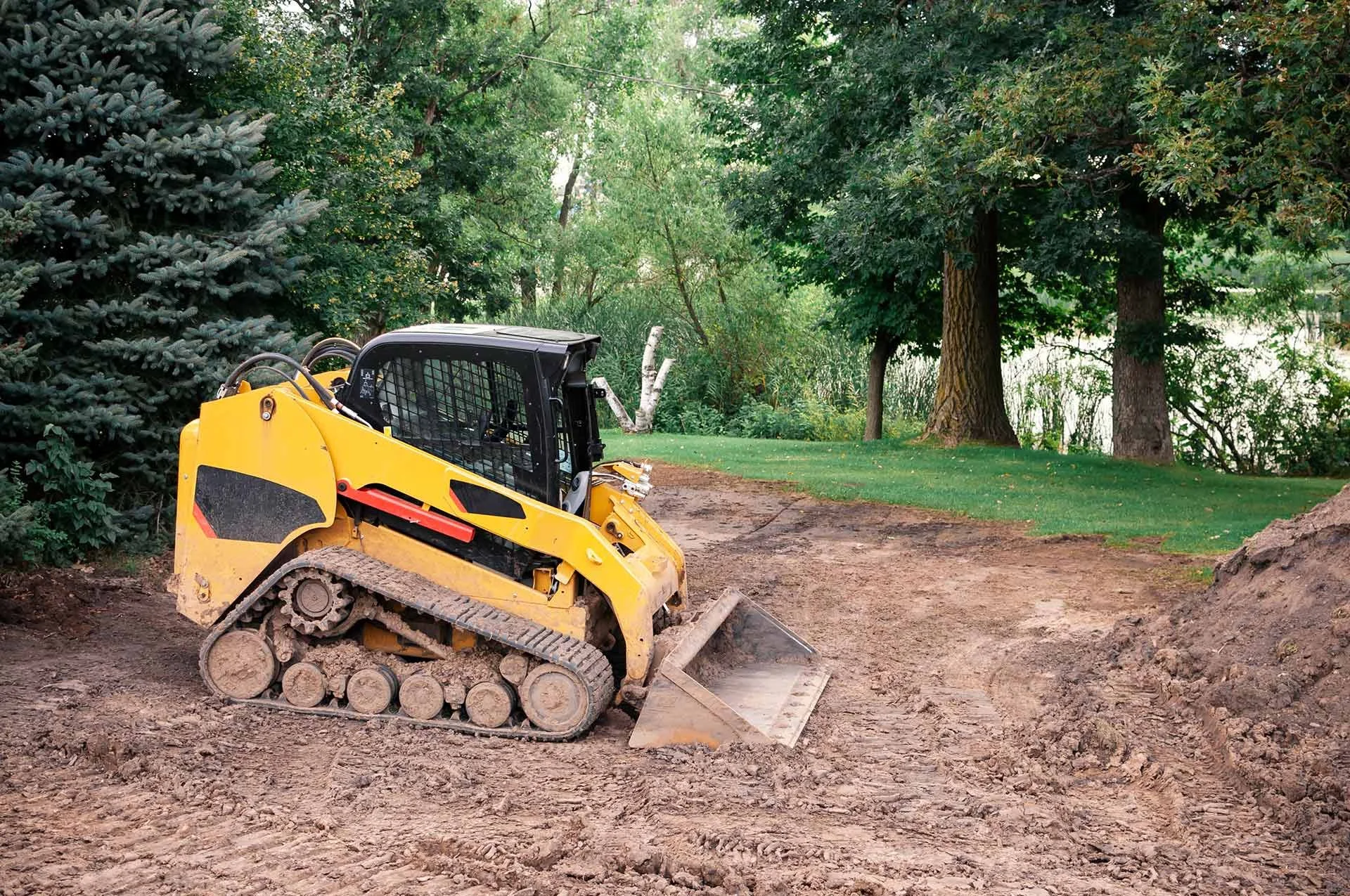
What Residential Excavation Typically Includes
Residential excavation covers a wide range of services used to prepare land for construction or landscaping.
Common types of excavation work include:
Land clearing and site preparation
Foundation excavation for new homes
Driveway excavation
Utility trenching for water, sewer, or power
Yard grading and leveling
Drainage excavation
Many residential projects require a combination of these services. For example, a new home build may involve land clearing, grading, utility trenching, and foundation excavation as part of a single project.
Because each property is different, excavation costs are often determined by evaluating the full scope of work required.
Major Factors That Affect Excavation Costs in Spokane
Several key factors influence the cost of residential excavation.
Soil Conditions
The type of soil on a property significantly affects excavation difficulty.
Spokane properties may contain:
Loose sandy soils
Dense clay soils
Gravel layers
Basalt rock formations
Hard materials such as basalt rock require specialized equipment and additional time to remove, which can increase project costs.
Rock excavation is especially common in areas such as North Spokane and Five Mile Prairie.
Project Size and Scope
Naturally, larger excavation areas require more time, equipment operation, and material handling.
For example:
Excavating a driveway base requires far less work than preparing a full home foundation.
Installing a short utility trench is much smaller in scale than grading an entire yard.
The overall project size is one of the most significant cost factors.
Site Accessibility
Access to the work area also affects excavation costs.
Properties with narrow access points, steep slopes, or nearby structures may require smaller equipment or additional labor. This is sometimes the case in established neighborhoods such as South Hill, where tight spaces limit large machinery access.
In contrast, rural properties around Mead or Liberty Lake often allow easier access for equipment.
Debris Removal and Material Hauling
Excavation projects often generate large amounts of soil, rock, and organic debris.
If material must be removed from the site, hauling and disposal may be necessary. This can include:
Removing excess soil
Hauling rock or gravel
Transporting brush or organic debris
Some projects can reuse excavated soil on-site for grading or landscaping, which may reduce hauling costs.
Drainage or Utility Installation
Excavation projects that include drainage systems or underground utilities often require greater precision and coordination.
These projects may involve:
Installing French drains
Trenching for sewer lines
Water service installation
Electrical conduit trenching
Utility work also requires inspections and compliance with local codes, which can affect project timelines.
Typical Residential Excavation Projects
Many Spokane homeowners hire excavation contractors for projects such as:
Preparing sites for new home construction
Installing gravel driveways
Clearing land for landscaping
Correcting drainage problems
Installing underground utilities
Leveling yards for patios or additions
In growing areas like Spokane Valley and Liberty Lake, excavation is frequently required before new residential construction can begin.
Why Accurate Site Evaluation Matters
Because excavation costs depend heavily on property conditions, the most accurate estimates come from on-site evaluations.
During a site visit, contractors assess:
Soil conditions
Drainage patterns
Slope and elevation changes
Access for equipment
Scope of excavation work
This evaluation allows contractors to create a plan that ensures proper grading, drainage, and soil stability.
It also helps identify potential challenges early in the process.
Choosing the Right Excavation Contractor
While cost is important, homeowners should also consider contractor experience and equipment capability.
A qualified excavation contractor in Spokane should have experience with:
Local soil conditions
Drainage solutions
Utility trenching
Residential site preparation
Professional excavation ensures the work is performed safely and meets local building standards.
Planning Your Excavation Project
Residential excavation is an essential part of many construction and landscaping projects. Understanding the factors that influence costs helps homeowners plan effectively and avoid unexpected challenges.
Professional excavation contractors evaluate the property, develop a grading or excavation plan, and prepare the site for the next stage of construction.
When performed correctly, excavation creates the stable foundation that supports every structure and landscape improvement that follows.